Dr. Hitendrasing Patil

Uncategorized

Laparoscopic Hysterectomy surgeon in Aundh
Uncategorized

Who Needs Laparoscopic Hysterectomy? Conditions & Symptoms Explained

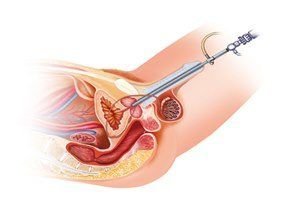
When gynecological problems start affecting daily life, long-term health, and emotional well-being, surgery may become a necessary option. One of the most advanced and patient-friendly surgical solutions today is laparoscopic hysterectomy. If you are experiencing persistent gynecological symptoms, consulting an experienced Laparoscopic Hysterectomy surgeon in Aundh can help you understand whether this minimally invasive procedure is right for you. What Is Laparoscopic Hysterectomy? Laparoscopic hysterectomy is a minimally invasive surgical procedure used to remove the uterus through small incisions in the abdomen. A tiny camera (laparoscope) and specialized instruments allow the surgeon to perform the surgery with precision, minimal pain, and faster recovery compared to traditional open surgery. Depending on the medical condition, the procedure may involve removal of: Only the uterus Uterus and cervix Uterus along with ovaries and fallopian tubes This approach is widely preferred today due to its safety and effectiveness. Who May Need Laparoscopic Hysterectomy? Laparoscopic hysterectomy is usually recommended for women who suffer from chronic gynecological conditions that do not improve with medications or conservative treatments. It is especially considered when symptoms significantly interfere with quality of life. Women With Long-Standing Gynecological Problems If pelvic pain, abnormal bleeding, or pressure symptoms persist despite treatment, hysterectomy may offer permanent relief. Women Who Have Completed Their Family Since hysterectomy ends the possibility of pregnancy, it is typically advised for women who do not plan future pregnancies after careful consultation with their doctor. Common Medical Conditions That Require Laparoscopic Hysterectomy Uterine Fibroids Fibroids are non-cancerous growths in the uterus that can cause heavy bleeding, pelvic pain, bloating, and pressure on the bladder. When fibroids are large, multiple, or cause severe symptoms, laparoscopic hysterectomy is often the most effective solution. Adenomyosis Adenomyosis occurs when the inner lining of the uterus grows into the uterine muscle, leading to painful periods and excessive bleeding. In severe cases, hysterectomy provides lasting relief when medications fail. Endometriosis (Severe Cases) Endometriosis can cause chronic pelvic pain and painful intercourse. When the condition is advanced and unresponsive to treatment, hysterectomy may be recommended to improve quality of life. Abnormal Uterine Bleeding Uncontrolled or prolonged menstrual bleeding can lead to anemia, fatigue, and weakness. When hormonal therapy and minor procedures do not work, hysterectomy becomes a definitive treatment. Uterine Prolapse Uterine prolapse occurs when the uterus descends into the vaginal canal due to weakened pelvic muscles. Laparoscopic hysterectomy offers a less invasive and effective surgical solution for moderate to severe prolapse. Early-Stage Gynecological Cancer In certain early-stage cancers of the uterus or cervix, hysterectomy plays a crucial role in treatment and prevention of disease progression. Symptoms That Indicate You May Need a Hysterectomy Women experiencing the following symptoms should seek medical evaluation: Heavy or prolonged menstrual bleeding Severe pelvic or lower back pain Pain during sexual intercourse Pressure on the bladder or bowel Frequent urination Chronic anemia and fatigue No improvement with medications or hormonal therapy Early diagnosis can help determine whether hysterectomy is necessary or if other treatments are possible. Why Doctors Recommend Laparoscopic Hysterectomy Laparoscopic hysterectomy has become the preferred choice due to several benefits: Smaller incisions and minimal scarring Less pain and reduced blood loss Faster recovery and early return to normal activities Shorter hospital stay Lower risk of infection and complications This advanced technique ensures better outcomes and patient comfort. Who Is Not an Ideal Candidate for Laparoscopic Hysterectomy? Although laparoscopic hysterectomy is safe for most women, it may not be suitable in certain cases such as: Extremely large uterus (decision depends on surgeon expertise) Severe uncontrolled medical conditions Advanced gynecological cancer requiring open surgery A thorough medical evaluation is necessary before making a surgical decision. How Is the Decision for Hysterectomy Made? The decision to undergo hysterectomy is based on: Detailed medical history Physical and pelvic examination Ultrasound or MRI reports Severity of symptoms Patient’s age and overall health An experienced Gynecologist in Aundh will discuss all available treatment options and guide you toward the best possible decision. When Should You Consult a Gynecologist? You should consult a gynecologist if: Symptoms persist for more than 3–6 months Menstrual bleeding becomes heavy or irregular Pelvic pain affects daily activities Medical treatment does not provide relief Early consultation helps prevent complications and improves long-term health outcomes. Conclusion Laparoscopic hysterectomy is a highly effective solution for women suffering from chronic gynecological conditions that do not respond to other treatments. Early diagnosis, proper evaluation, and expert guidance are essential for achieving the best results. If you are experiencing persistent symptoms, consulting an experienced Laparoscopic Hysterectomy surgeon in Aundh can help you regain comfort, confidence, and a better quality of life. FAQs Is laparoscopic hysterectomy safe? Yes, it is a safe and widely performed procedure when done by an experienced surgeon. Will periods stop after hysterectomy? Yes, periods stop permanently after removal of the uterus. How long does recovery take? Most women resume normal activities within 2–4 weeks. Are ovaries removed during hysterectomy? Ovaries may be preserved depending on age and medical condition.
Gynecologist in Aundh
Uncategorized

5 Essential Preventive Healthcare Tips for Adolescent Girls

Women often grow up balancing multiple roles—daughter, student, professional, caregiver, and much more. In this constant effort to manage responsibilities, personal health is frequently overlooked, especially during adolescence. This phase is not just about physical growth but also about emotional, hormonal, and reproductive development. Guidance from a trusted Gynecologist in Aundh during these early years helps establish healthy habits that protect long-term well-being. Preventive healthcare focuses on early awareness, timely action, and informed choices rather than waiting for health problems to arise. Adolescence is the foundation stage for lifelong women’s health. Simple preventive steps taken during teenage years can significantly reduce the risk of future complications related to menstruation, fertility, infections, and gynecological conditions. Below are five essential preventive healthcare tips every adolescent girl and her family should understand. 1. Prioritize HPV Vaccination at the Right Age One of the most important preventive steps for adolescent girls is HPV Vaccination. Human Papillomavirus (HPV) is a common virus that can affect the reproductive system and is known to cause cervical cancer, genital warts, and other anogenital cancers later in life. The vaccine works best when given early, before exposure to the virus: Ages 9–14 years: Two doses Ages 15–45 years (if missed earlier): Three doses Early vaccination significantly lowers the risk of cervical cancer and helps prevent precancerous changes in the cervix. It strengthens the immune response and offers long-lasting protection. Awareness among parents and adolescents about timely vaccination plays a key role in safeguarding future reproductive health. 2. Understand Menstrual and Reproductive Health Early Menstruation is a natural biological process, yet it remains surrounded by myths and misinformation. Many adolescent girls experience confusion, fear, or embarrassment due to a lack of accurate knowledge. Preventive menstrual health awareness includes: Understanding what a normal menstrual cycle looks like Recognizing signs of irregular periods, heavy bleeding, or severe pain Learning proper menstrual hygiene practices Knowing when symptoms require medical evaluation Early recognition of menstrual irregularities can help detect conditions such as hormonal imbalance, PCOS, or thyroid issues. When these concerns are identified early, future complications related to fertility and overall health can often be reduced. 3. Get Accurate Sexual Health Education Adolescence is a phase of curiosity and self-discovery. Without medically accurate sexual health education, young girls may rely on unreliable online sources or peer information, increasing the risk of unsafe practices. Sexual health education empowers adolescents to: Understand bodily changes during puberty Learn about sexually transmitted infections (STIs) Develop awareness of consent and personal boundaries Make informed and responsible decisions Open conversations guided by facts rather than fear help adolescents feel confident and protected. Parents, educators, and healthcare professionals all play an essential role in creating a supportive environment where questions can be addressed without judgment. 4. Make Informed Choices About Contraception Contraception awareness is not only about preventing unintended pregnancy; it is also an important part of reproductive health and infection prevention. Adolescents should understand the basics of contraception so they can make informed decisions in the future. Key points include: Awareness of barrier methods such as condoms Understanding how protection reduces the risk of STIs Knowing that contraception choices depend on age, health status, and personal circumstances Barrier methods are especially important because they help prevent infections in addition to pregnancy. Proper education ensures adolescents are equipped with knowledge rather than misinformation. 5. Maintain a Healthy Lifestyle and Emotional Well-Being Physical and emotional health are deeply connected, especially during adolescence when hormonal changes are rapid. Preventive lifestyle habits include: Balanced nutrition to support growth and hormonal health Regular physical activity for weight management and mental well-being Adequate sleep for emotional stability and immunity Stress management to handle academic and social pressure Poor lifestyle habits during adolescence may contribute to future gynecological concerns, including menstrual disorders and fertility challenges. Why Preventive Gynecological Care Matters in the Long Term Preventive healthcare during adolescence reduces the likelihood of advanced gynecological conditions later in life. Early detection of issues such as ovarian cysts, uterine abnormalities, or chronic pelvic pain may prevent the need for complex procedures in adulthood. In some cases, delayed diagnosis leads to conditions that later require advanced interventions such as Gynecology laparoscopy Surgery. Laparoscopic procedures are minimally invasive and effective, but prevention and early care can often reduce the need for surgical intervention altogether. Role of Parents and Guardians in Preventive Care Parents and guardians play a critical role in shaping an adolescent’s attitude toward health. Encouraging open dialogue, removing stigma around reproductive topics, and supporting regular health check-ups create a strong foundation for lifelong wellness. Simple actions like listening without judgment and prioritizing preventive health visits can make adolescents feel secure and supported during this sensitive phase of life. When Should Adolescent Girls Seek Medical Attention? Certain symptoms should never be ignored, including: Irregular or absent periods Severe menstrual pain affecting daily activities Excessive bleeding Unusual vaginal discharge Persistent pelvic or abdominal pain Early evaluation helps clarify whether these symptoms are part of normal development or signs of an underlying condition. Empowering Adolescents Through Preventive Healthcare Preventive healthcare is not about fear—it is about empowerment. Educating adolescent girls about vaccination, reproductive health, and healthy choices equips them with confidence and control over their bodies. When young women are informed, they are better prepared to protect their health, seek timely care, and make responsible decisions throughout life. Conclusion Adolescence is the most powerful window for preventive healthcare, shaping a woman’s health for decades to come. Prioritizing vaccination, menstrual awareness, sexual health education, contraception knowledge, and healthy lifestyle habits helps reduce future risks and builds long-term confidence. Guidance from a knowledgeable Gynecologist in Aundh ensures that adolescent girls receive accurate information, early support, and preventive care that nurtures a healthier, stronger future. Frequently Asked Questions (FAQs) 1. Why is preventive healthcare important for adolescent girls? Preventive healthcare helps identify health risks early and reduces the chances of long-term complications. During adolescence, hormonal and physical changes are rapid, and early care supports healthy development, menstrual regularity, and future reproductive well-being. 2. At

Uncategorized

Understanding Menstrual Disorders: Causes, Symptoms & Care

Menstruation is a natural process in every woman’s life, but when cycles become irregular, painful, or unusually heavy, it may indicate a menstrual disorder. These conditions not only cause physical discomfort but can also affect daily life, emotional well-being, and fertility if left untreated. Common Types of Menstrual Disorders 1. Dysmenorrhea (Painful Periods):Severe cramping and pelvic pain during periods, often caused by conditions like endometriosis or fibroids. 2. Amenorrhea (Absence of Periods):Missing one or more menstrual cycles, which may result from hormonal imbalances, stress, excessive exercise, or underlying medical issues. 3. Menorrhagia (Heavy Bleeding):Excessive or prolonged menstrual bleeding that can lead to anemia and fatigue. 4. Oligomenorrhea (Infrequent Periods):Periods occurring at irregular intervals, commonly linked to PCOS, thyroid problems, or hormonal changes. 5. Premenstrual Syndrome (PMS) and PMDD:Mood swings, bloating, and irritability before periods; PMDD is a more severe form with intense emotional symptoms. Causes of Menstrual Disorders Hormonal imbalances (estrogen and progesterone) Polycystic Ovary Syndrome (PCOS) Thyroid disorders Uterine fibroids or polyps Stress and lifestyle factors Certain medications or contraceptives Management & Care Medical Evaluation: Regular gynecological check-ups help identify the root cause. Lifestyle Changes: A balanced diet, exercise, and stress management can regulate cycles. Medications & Treatment: Pain relievers, hormonal therapy, or minimally invasive procedures may be recommended based on the condition. Monitoring Symptoms: Keeping a period diary can help track irregularities and assist in diagnosis. When to Consult a Doctor Seek medical attention if your periods are consistently painful, excessively heavy, irregular, or absent. Early diagnosis and treatment can prevent complications and improve quality of life.

Uncategorized

Nutrition Tips for a Healthy Pregnancy

Pregnancy is a special journey that brings excitement, anticipation, and responsibility. One of the most important aspects of this journey is maintaining proper nutrition. What an expecting mother eats directly impacts her health as well as the baby’s growth and development. A balanced, nutrient-rich diet can reduce complications, support healthy weight gain, and ensure the best possible outcomes for both mother and child. Key Nutrition Tips for Expecting Mothers 1. Focus on a Balanced DietInclude a variety of foods such as fruits, vegetables, whole grains, lean proteins, and healthy fats. This ensures you get all essential vitamins and minerals. 2. Increase Folic Acid IntakeFolic acid is crucial in preventing neural tube defects in babies. It is found in leafy greens, citrus fruits, beans, and fortified cereals. Supplements are often recommended during pregnancy. 3. Prioritize Iron and CalciumIron helps prevent anemia, while calcium supports the baby’s bones and teeth. Good sources include spinach, legumes, dairy, eggs, and fortified foods. Pair iron-rich foods with vitamin C (like oranges or tomatoes) for better absorption. 4. Stay HydratedWater plays a vital role in maintaining amniotic fluid levels and supporting circulation. Aim for at least 8–10 glasses of water daily. 5. Limit Caffeine and Avoid Harmful FoodsReduce coffee and tea intake, and avoid alcohol, raw seafood, unpasteurized dairy, and undercooked meats as they may pose risks to pregnancy. 6. Eat Small, Frequent MealsThis helps manage morning sickness, prevents heartburn, and keeps energy levels stable throughout the day. A Word of Advice Every pregnancy is unique. Nutritional needs may vary depending on your health, weight, and medical history. It is always best to consult your gynecologist for personalized dietary guidance.

Uncategorized

Common Gynecological Infections and How to Prevent Them

Women often experience gynecological infections at some point in their lives. While many infections are mild and treatable, some may cause discomfort, affect fertility, or even lead to long-term complications if not addressed on time. Understanding the common types of infections, their symptoms, and preventive measures can help women take charge of their reproductive health. Common Gynecological Infections Yeast Infections (Candidiasis):Caused by an overgrowth of yeast, this condition often leads to itching, burning, and a thick white discharge. Bacterial Vaginosis (BV):A bacterial imbalance in the vagina that may cause unusual discharge with a fishy odor. Urinary Tract Infections (UTIs):Though not always gynecological, UTIs are common in women and cause burning during urination, frequent urges, and pelvic discomfort. Sexually Transmitted Infections (STIs):Infections like chlamydia, gonorrhea, HPV, and herpes can affect the reproductive system if untreated. Pelvic Inflammatory Disease (PID):Usually a complication of untreated STIs, PID can lead to pelvic pain, fever, and infertility. Prevention Tips Maintain Good Hygiene: Wash the genital area daily with mild soap and water. Avoid harsh chemicals or scented products. Practice Safe Sex: Use condoms and get regular STI screenings if sexually active. Wear Breathable Clothing: Cotton underwear and loose clothing reduce moisture and prevent infections. Balanced Diet & Hydration: A healthy immune system helps fight off infections naturally. Regular Gynecological Check-ups: Early diagnosis ensures timely treatment and prevents complications. When to See a Doctor If you experience persistent itching, unusual discharge, pelvic pain, or burning sensations, it’s important to consult a gynecologist. Early treatment can prevent long-term issues and restore comfort.

Scroll to Top